


Spring Into Movement!
With warmer weather arriving, or perhaps even a little spring snow, we thought we’d take a break from talking about organizing and downsizing and focus on a different type of moving: staying physically active as we get older.
What if staying active had less to do with motivation and more to do with the small movements and habits we build into everyday life?
There’s a common belief that slowing down is simply part of getting older.
But staying active can help us maintain strength, mobility, balance, energy, and independence as we age.
And staying active doesn’t have to mean running marathons or lifting heavy weights, unless you want to! It’s about finding realistic ways to keep your body moving consistently and doing activities you enjoy.
Here are seven simple ways to make movement part of everyday life.
1. Rethink What “Being Active” Means
Being active doesn’t have to mean spending hours at the gym.
Everyday movement counts. You might:
- Walk around your neighborhood
- Work in the garden
- Dance in your kitchen
- Play with your grandkids
- Take a fitness or activity class
- Walk while talking with a friend
The goal is simple: move your body regularly in ways that feel enjoyable and sustainable.
2. Include Strength Activities, Not Just Cardio
Strength becomes increasingly important as we get older.
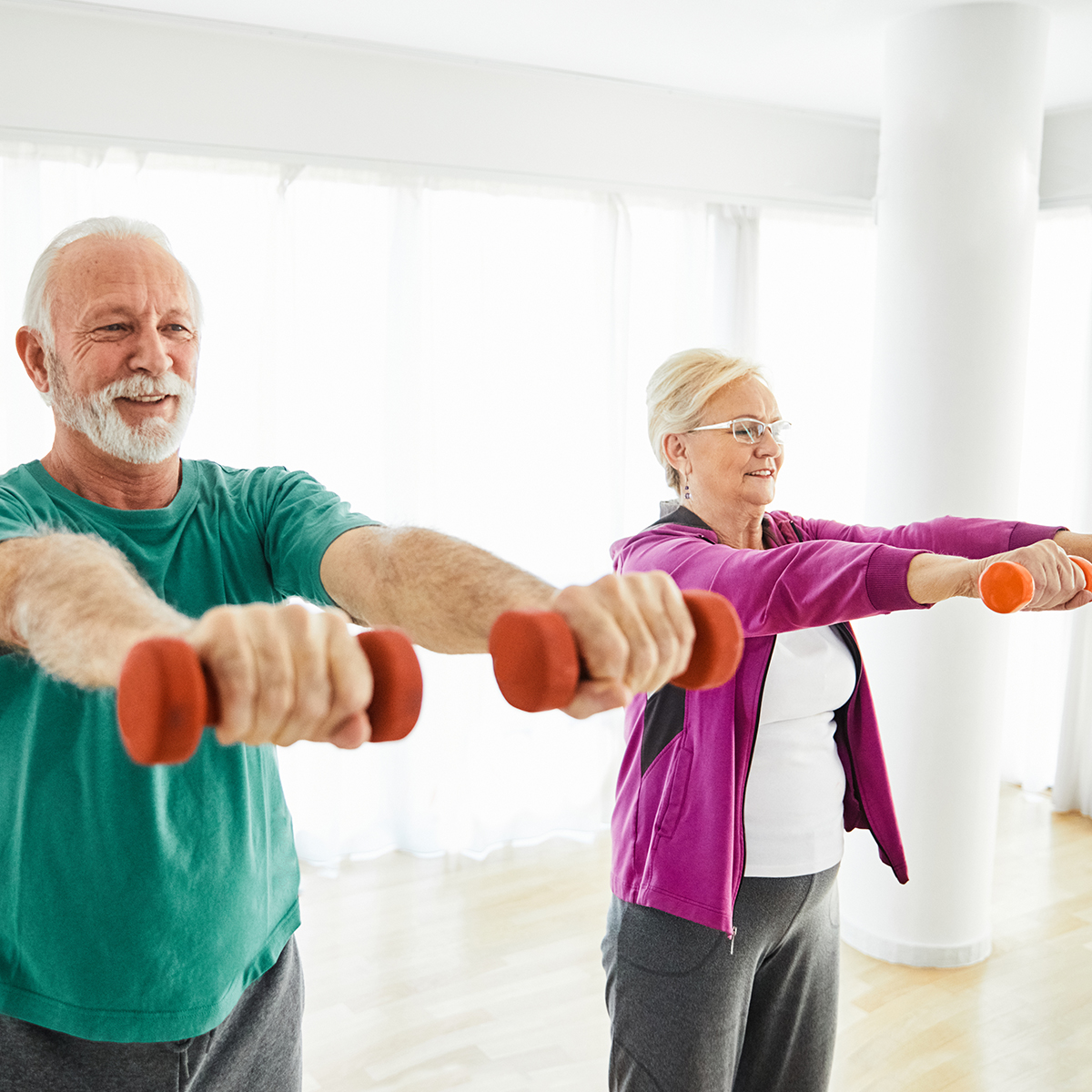
Simple strength activities can help maintain muscle and support everyday activities such as getting out of a chair, carrying groceries, climbing stairs, and maintaining balance.
Depending on your abilities, strength activities might include:
- Resistance bands
- Light weights
- Bodyweight exercises
- Squats or chair squats
- Wall push-ups
You don’t necessarily need complicated equipment or a lengthy workout to incorporate strength-building movement into your routine.
3. Protect Your Flexibility and Balance
Flexibility and balance are easy to overlook, but both play an important role in staying mobile and independent.
Gentle activities such as stretching, yoga, or balance exercises can become part of your regular routine.
Even small habits can help make movement part of your day. For example, some people practice balance exercises while standing near a stable surface or incorporate a few minutes of stretching into their morning or evening routine.
4. Make Movement Social and Fun
Movement is often easier to maintain when you enjoy what you’re doing.
Consider:
- Joining a walking group
- Taking a dance class
- Exercising with a friend
- Participating in community activities
- Trying a group fitness class
When physical activity becomes something social and enjoyable, it can feel less like something you “have to do” and more like something you look forward to.
5. Listen to Your Body
Pay attention to how your body responds to physical activity.
There is an important difference between normal exertion or mild discomfort and actual pain. Understanding your own limits can help you choose activities that are appropriate for your health, mobility, and fitness level.
At the same time, occasional stiffness doesn’t necessarily mean you need to stop moving altogether. For many people, gentle and appropriate movement can be an important part of staying mobile.
6. Build Movement Into Your Daily Routine
One of the easiest ways to stay active is to make movement part of things you already do.
Try simple habits such as:
- Parking a little farther from the entrance
- Taking the stairs when appropriate
- Stretching while watching television
- Going for a short walk after a meal
- Getting up and moving periodically during the day
- Doing a few simple exercises while completing everyday tasks
Small actions repeated consistently can add up over time.
You don’t have to wait until you feel motivated. Creating a routine can make movement a natural part of your day.
7. Remember Why Staying Active Matters to You
Staying active isn’t only about fitness. It’s also about maintaining the ability to enjoy the things that matter to you.
That might mean:
- Traveling
- Spending time with family
- Playing with grandchildren
- Gardening
- Participating in community events
- Living independently
- Simply feeling stronger in your everyday life
When you focus on what movement allows you to continue doing, staying active can take on a much greater purpose.

Where Can Seniors Go to Stay Active and Connected?
Staying active doesn’t always mean exercising. Sometimes it simply means getting out, participating, learning, volunteering, and staying engaged with your community.
There are many places and activities that can help older adults remain physically, mentally, and socially active.
Visit Your Local Library
Libraries offer much more than books. Depending on your community, you may find film screenings, book clubs, author discussions, educational programs, workshops, and other opportunities for intellectual and social engagement.
Volunteer in Your Community
Consider volunteering with an organization you care about, such as an animal shelter, food bank, community organization, or another local nonprofit.
Volunteering can provide opportunities to move, connect with others, and contribute to your community.
Explore Your Local YMCA
Many YMCA locations offer fitness, wellness, and social activities designed with older adults in mind.
Depending on the location, programs may include activities such as:
- SilverSneakers
- Yoga
- Water aerobics
- Strength training
- Group fitness classes
Check with your local YMCA to see which programs are available and whether reduced-cost or eligible membership options are offered.
Visit a Local Senior or Recreation Center
Senior and community recreation centers can be excellent resources for staying engaged.
Programs may include physical activities, educational classes, games, social events, day trips, and other opportunities to meet people in your community.
Join a Mahjong or Bridge Group
Activities such as Mahjong and bridge provide mental stimulation while creating opportunities for regular social interaction.
Get Involved With Your Church or Faith Community
For those who participate in a faith community, volunteering or joining church activities can provide additional opportunities for connection, purpose, and engagement.
Take a Class
Local community colleges, recreation programs, libraries, and community organizations may offer classes where you can explore a new interest simply for the joy of learning.
Explore Other Forms of Low-Impact Movement
There are also many products and activities designed to provide different forms of movement. Some people, for example, explore vibration plates as a low-impact activity option.
Before adding new exercise equipment or beginning a new type of physical activity, especially if you have an existing medical condition or mobility concern, discuss it with your healthcare provider.
A Final Thought About Staying Active as You Age
Don’t focus only on slowing down. Focus on moving better, feeling stronger, and continuing to enjoy the things that matter to you.
The goal isn’t perfection.
It’s progress, consistency, and finding ways to enjoy taking care of your body.
- Start simple.
- Take a walk.
- Stretch a little longer.
- Move a little more.
- Join a class.
- Call a friend and go somewhere together.
Because staying active isn’t just about adding years to your life. It’s about adding life to your years.
Before Starting a New Exercise Routine
Always talk with your doctor or healthcare provider about exercise if you have chronic conditions, mobility limitations, or other health concerns. Your healthcare provider can help you understand how existing health conditions may affect physical activity and what types of movement may be appropriate for you.
Be as physically active as your abilities and health conditions allow.